
Journal
One probe per trough, not per plant
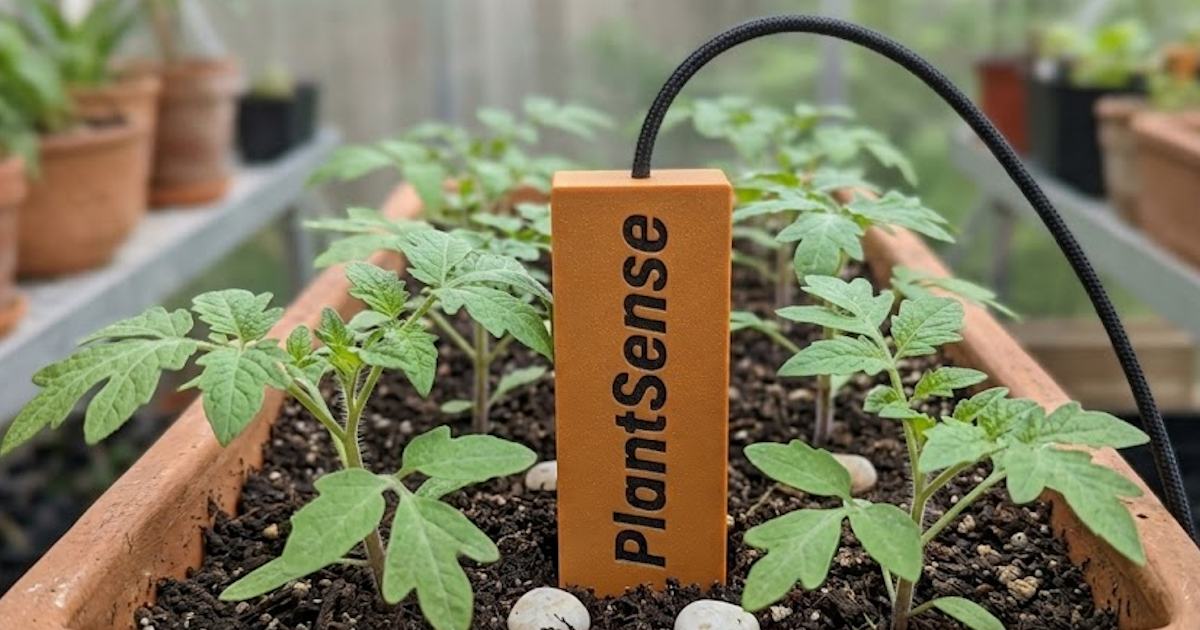
The instinct when you buy a soil monitor is to want one per plant. It feels thorough. In practice it is usually money and faff spent on telling you the same thing several times over.
Think in watering zones
A watering zone is any group of plants that share the same soil, the same light and the same watering. A trough of mixed salad leaves is one zone. A row of raspberry canes along a fence is one zone. Two tomato plants in separate growbags, one in full sun and one against a shaded wall, are two zones however close together they sit.
One probe per zone gives you everything you need to decide when to water. A second probe in the same trough tells you the same decision twice.
Where to put the one you have
Mid way along the bed rather than at the end, because edges dry fastest and would have you watering early. At root depth rather than just under the surface, since the surface tells you about evaporation and the roots tell you about the plant. And away from the outflow of a dripper or soaker hose, or you will be measuring your irrigation rather than your soil.
Getting the probe to a consistent depth is worth doing properly. The setup guide covers placing and calibrating it, which is what makes the reading mean the same thing every day.
When to split a zone
Split when the plants genuinely want different things or the conditions genuinely differ. A blueberry in ericaceous compost next to a lavender in gritty soil are two zones no matter how close they sit, because their thresholds are miles apart.
You can see just how far apart in our plant database, where every plant carries its own tested watering threshold. When two plants sit at very different figures, one probe cannot serve both well.
Similarly, containers and open ground should never share a probe. A pot swings far harder and far faster than a bed, so a reading from one tells you nothing useful about the other.
The sensible starting point
Most gardens are well covered by three or four monitors: the greenhouse or growbags, the main veg bed, the fruit, and the containers by the door that dry out fastest. Add more when a specific plant keeps surprising you, not on principle.
If you are building up to that, the shop has monitors and spare probes, and you can add zones one at a time as you learn where your garden actually needs watching.
Leave a comment